
NAVICO News & Technical
News & Technical
The latest knowledge, solutions and trends in aquaculture and livestock farming.
Latest articles
 Animal Nutrition
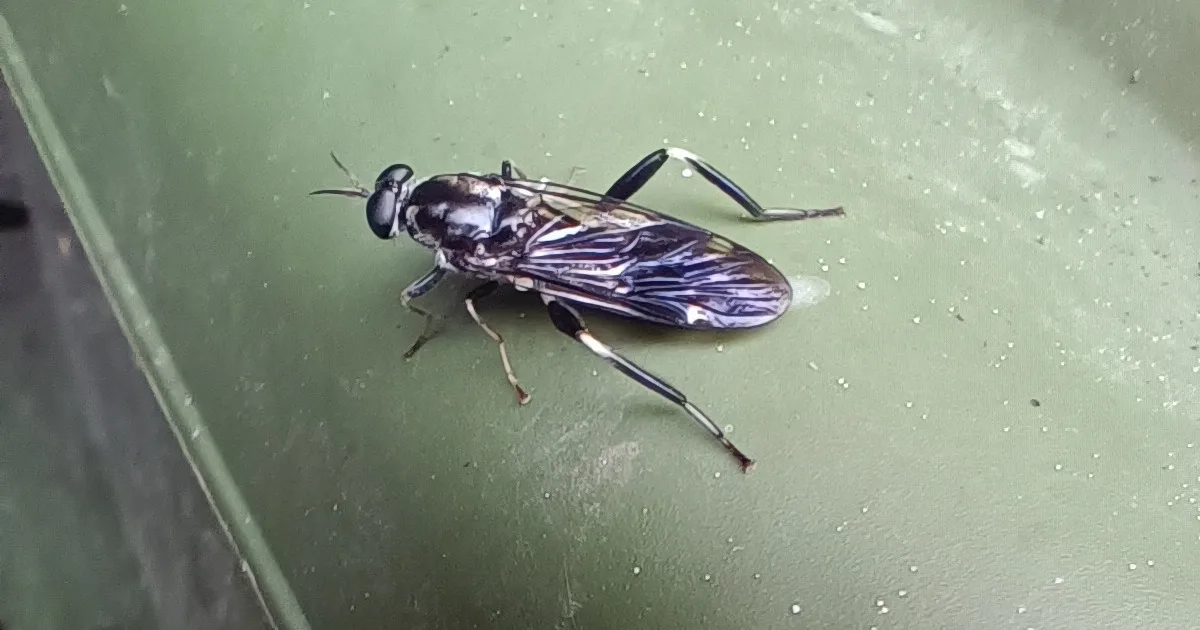
Black Soldier Fly Meal for Shrimp and Fish: Can It Replace Fishmeal?
Black soldier fly meal is an insect protein source that can partially replace fishmeal in shrimp and fish feed. Learn about its nutritional value, inclusion rates and quality considerations.
Oct 30, 20260
 Animal Nutrition
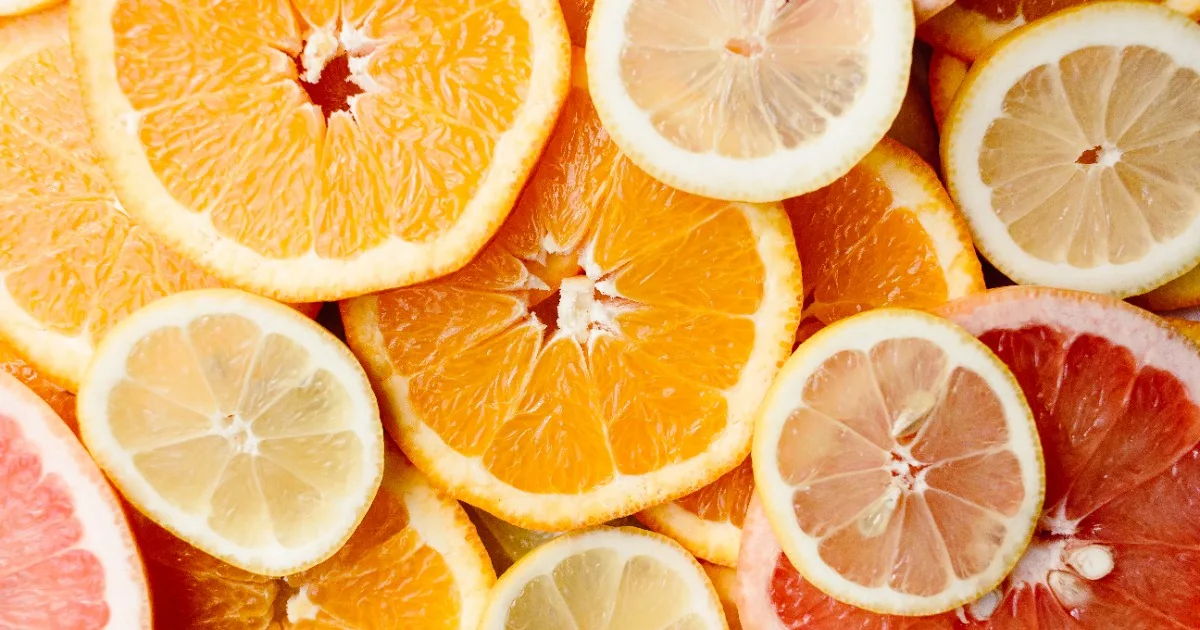
Citric Acid in Shrimp Farming: Benefits and Proper Use
Citric acid in shrimp farming supports digestion, stabilizes pH and reduces heavy metal toxicity. Learn about its benefits, dosage and precautions for use.
Oct 20, 20260
 Animal Nutrition
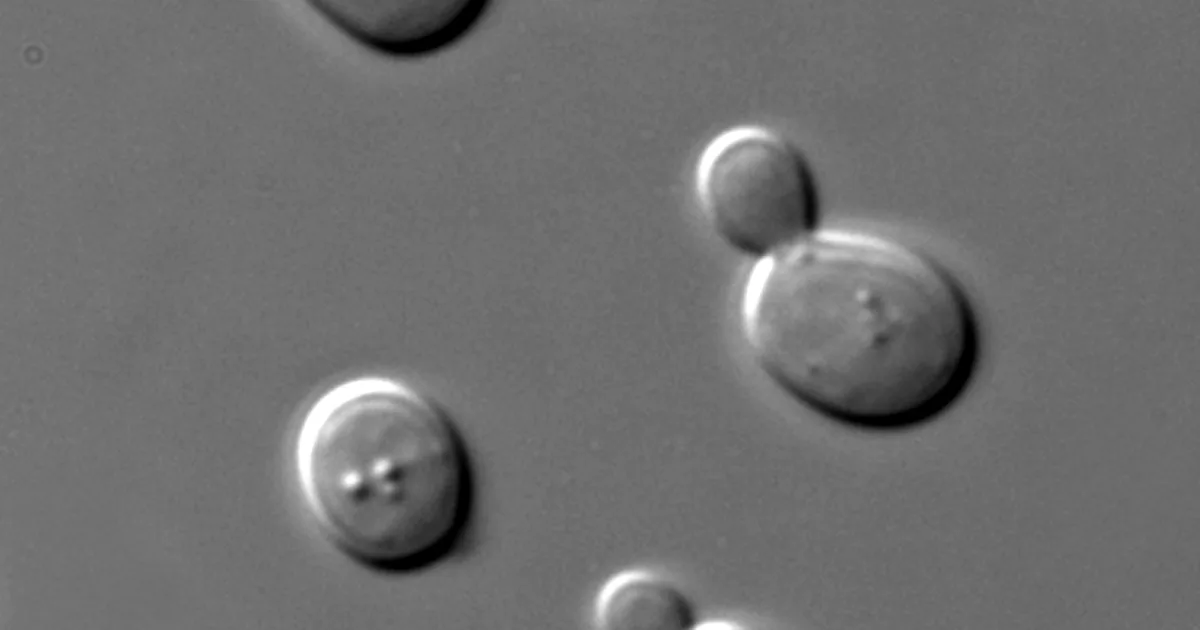
Beta-Glucan for Shrimp: Boosting Immunity and Using It Effectively
Beta-glucan is an immune stimulant derived from yeast cell walls that helps shrimp build resistance, reduce stress and limit disease. Learn about its mechanism, timing and correct use.
Oct 19, 20260
 Animal Nutrition
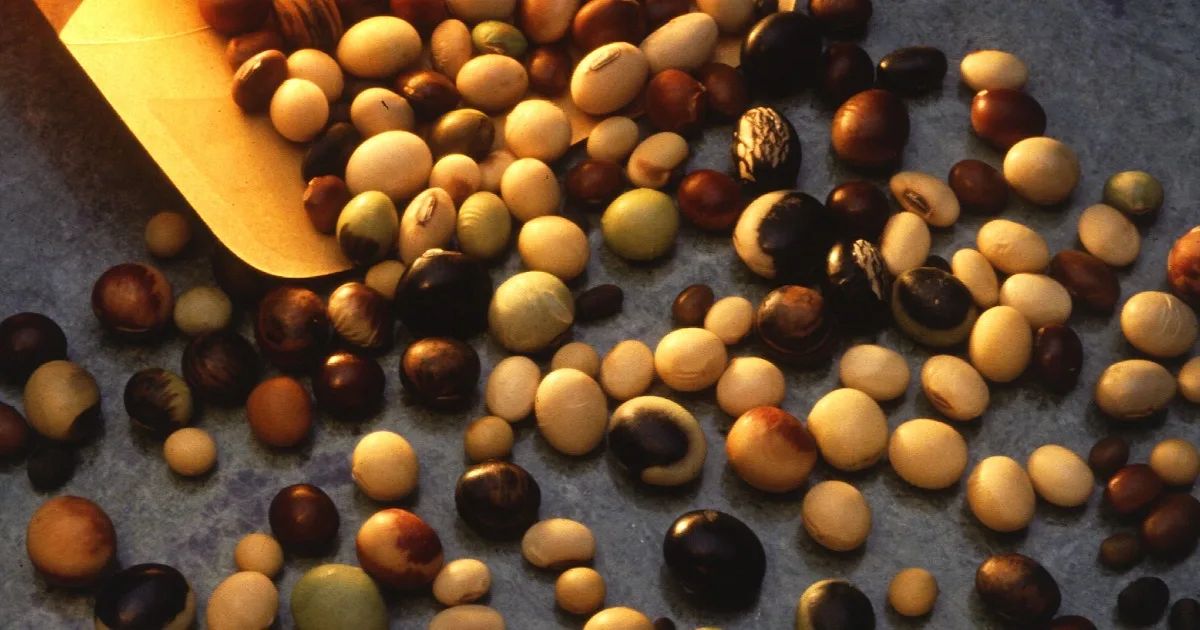
Fermented Soybean Meal for Shrimp: An Effective Fishmeal Replacement
Fermented soybean meal can partially replace fishmeal in shrimp feed, reducing anti-nutritional factors and lowering feed costs. Learn about its advantages, inclusion rates and usage notes.
Oct 17, 20260
 Animal Nutrition
Choline for Shrimp: Its Role in the Hepatopancreas and Proper Supplementation
Choline helps protect the shrimp hepatopancreas, transports lipids and supports molting. Learn the signs of deficiency and how to supplement choline correctly.
Oct 15, 20260
 Animal Nutrition
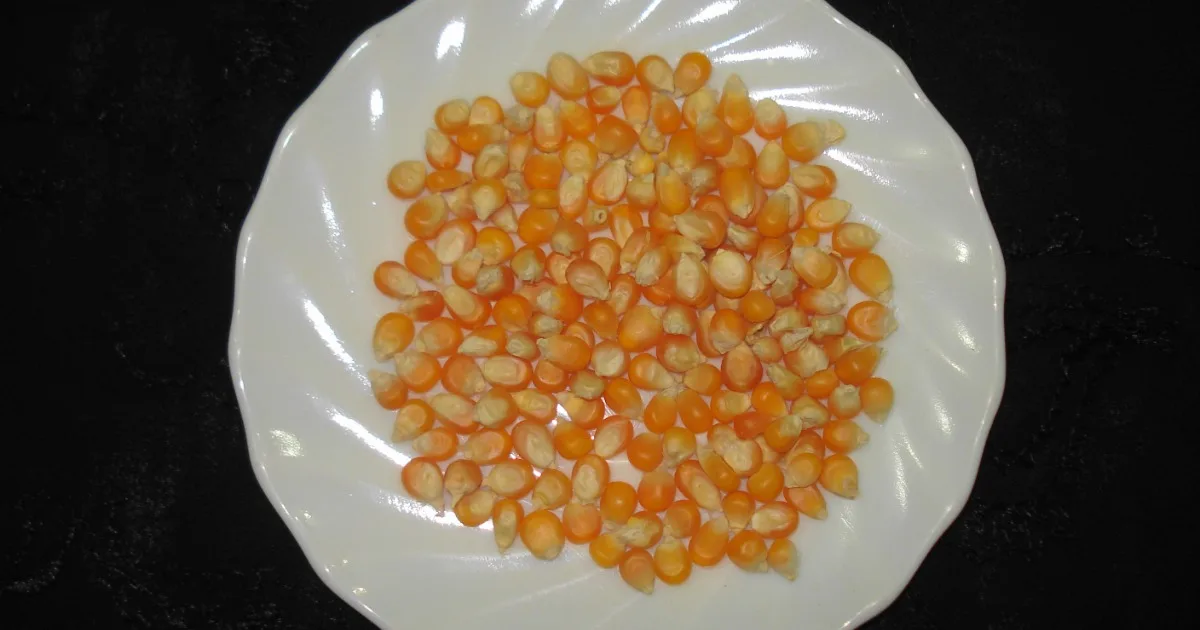
Phytase in Aquafeed: Releasing Phosphorus Efficiently
Phytase in aquafeed releases phosphorus and minerals from plant proteins, improving FCR and reducing phosphorus discharged into shrimp and fish culture ponds.
Oct 10, 20260
 Animal Nutrition
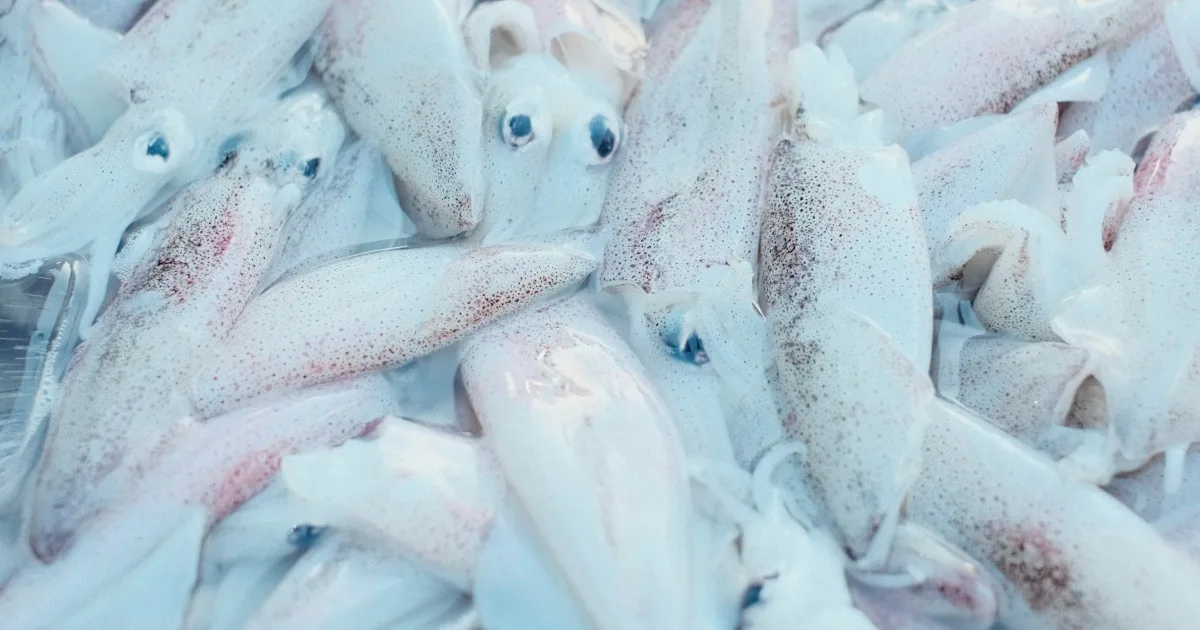
Squid Liver Oil for Shrimp: Benefits and How to Mix It Into Feed
Squid liver oil attracts shrimp to feed, supplies omega-3 (EPA, DHA) and coats pellets to retain micronutrients. Mix at 5–10 ml/kg, apply as the final coating and let stand for 20–30 minutes.
Oct 7, 20260
 Animal Nutrition
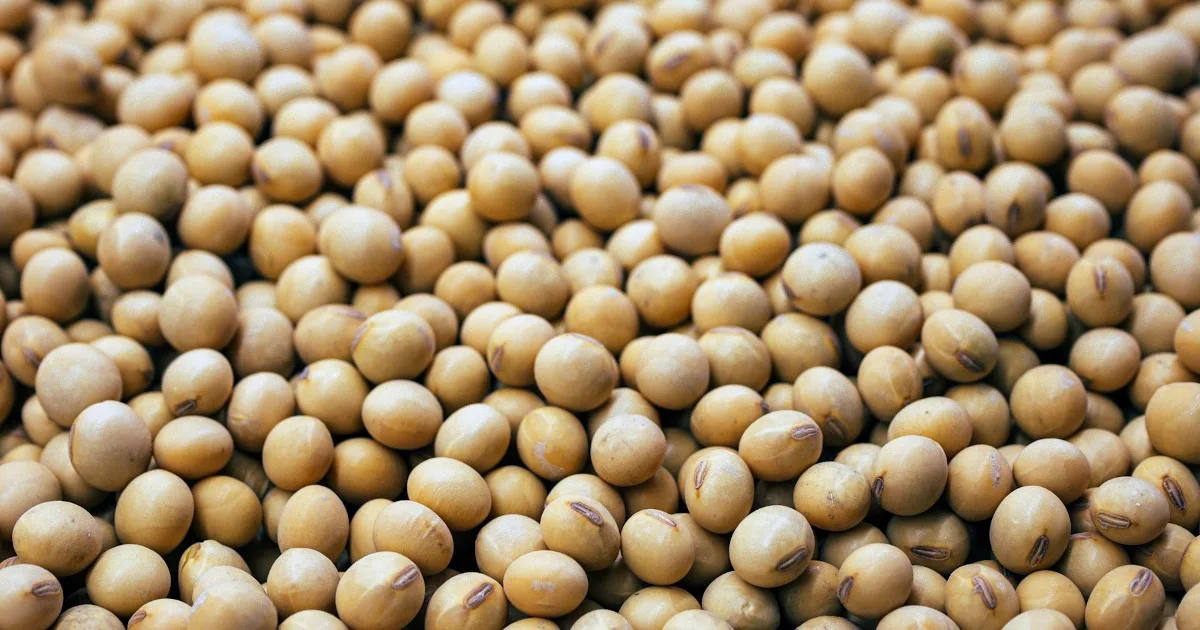
Lecithin for Shrimp: The Role of Phospholipids and Proper Supplementation
Lecithin supplies shrimp with phospholipids that emulsify fats, transport cholesterol, support molting and protect the hepatopancreas; juvenile whiteleg shrimp need about 3% of the diet.
Oct 6, 20260
 Animal Nutrition
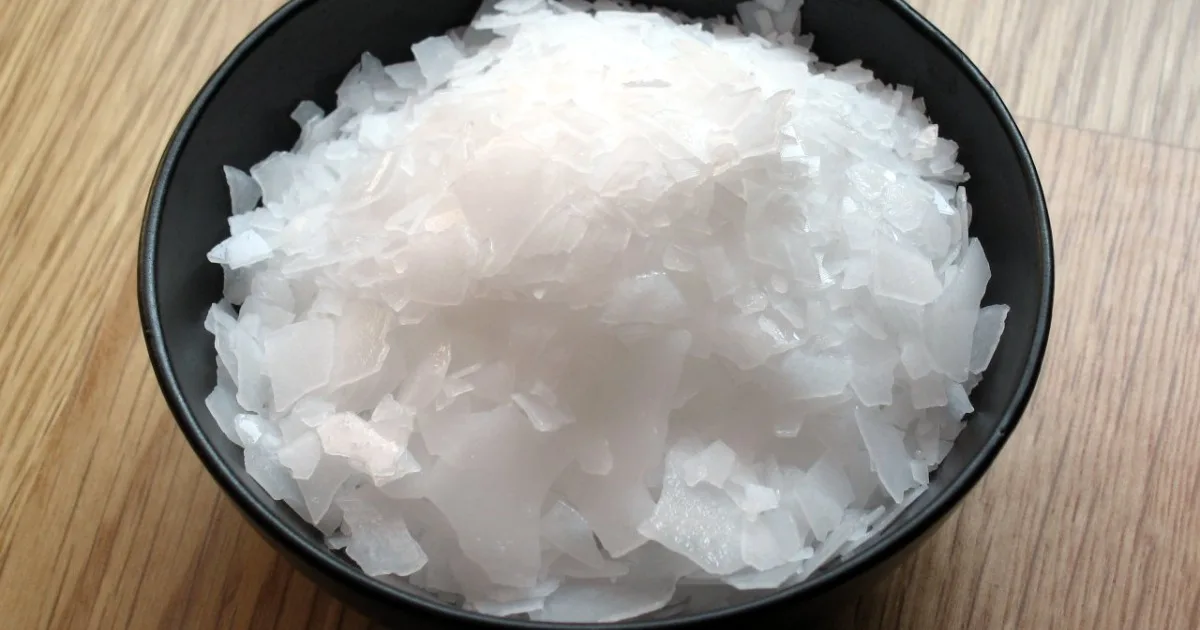
Magnesium and Potassium for Low-Salinity Shrimp Farming: Proper Supplementation
Magnesium and potassium for low-salinity shrimp must be replenished in seawater ratios: about 39 mg/L Mg and 11 mg/L K per 1‰ (Mg:Ca ≈ 3:1). How to measure and calculate KCl and MgCl2 doses.
Sep 29, 20260
Page 2/5 • 44 articles in total


